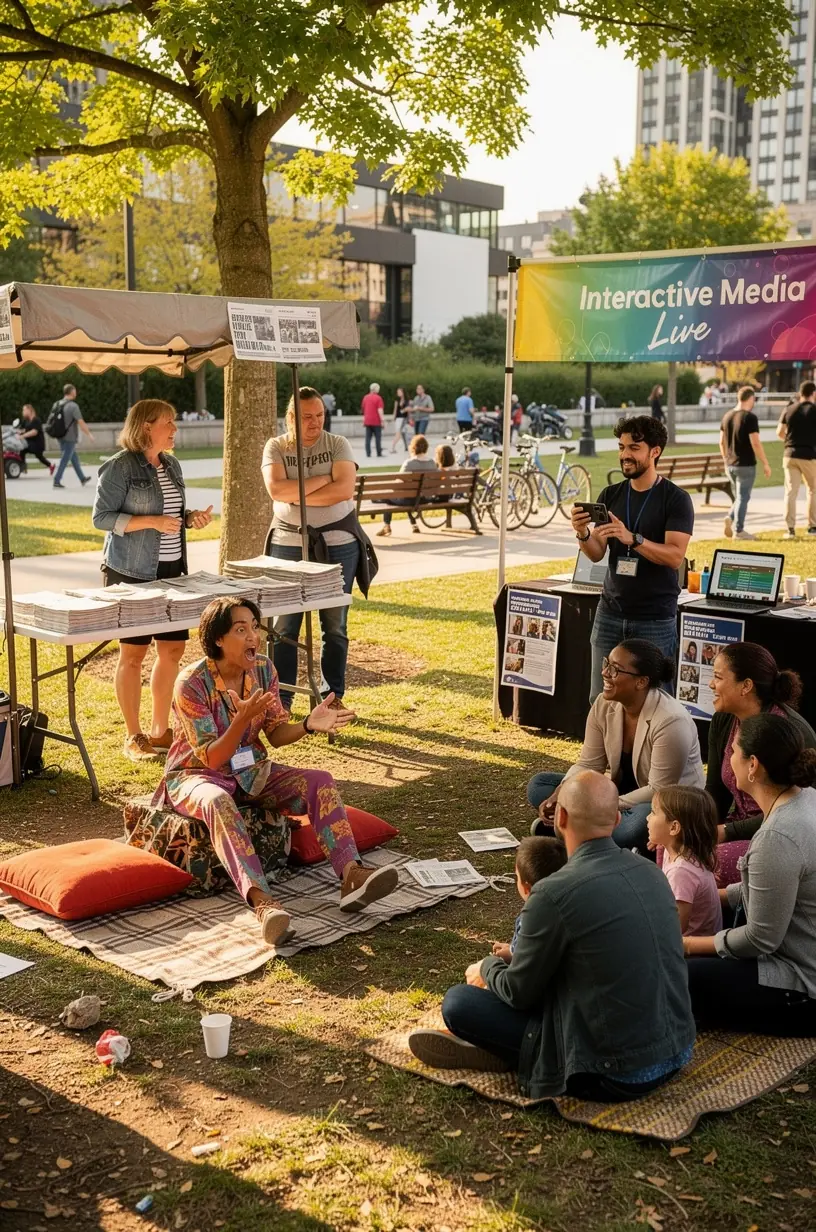
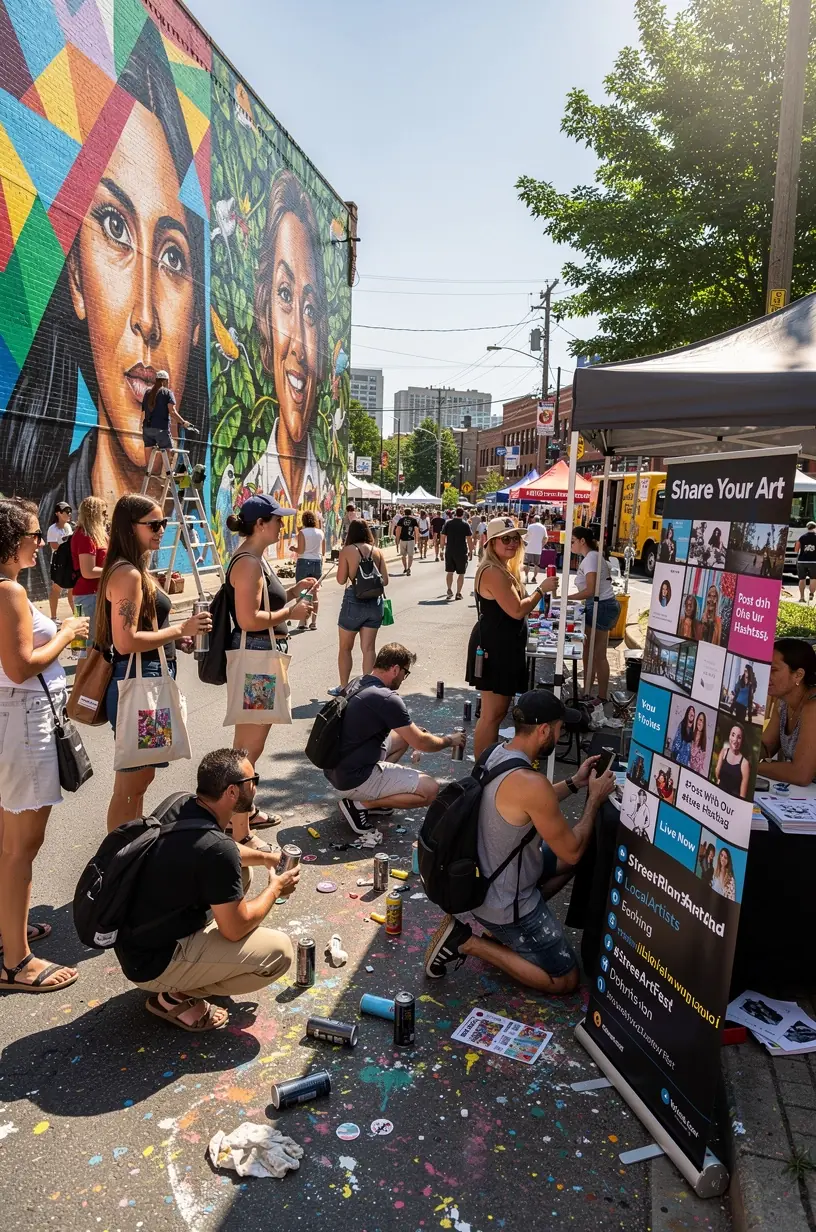
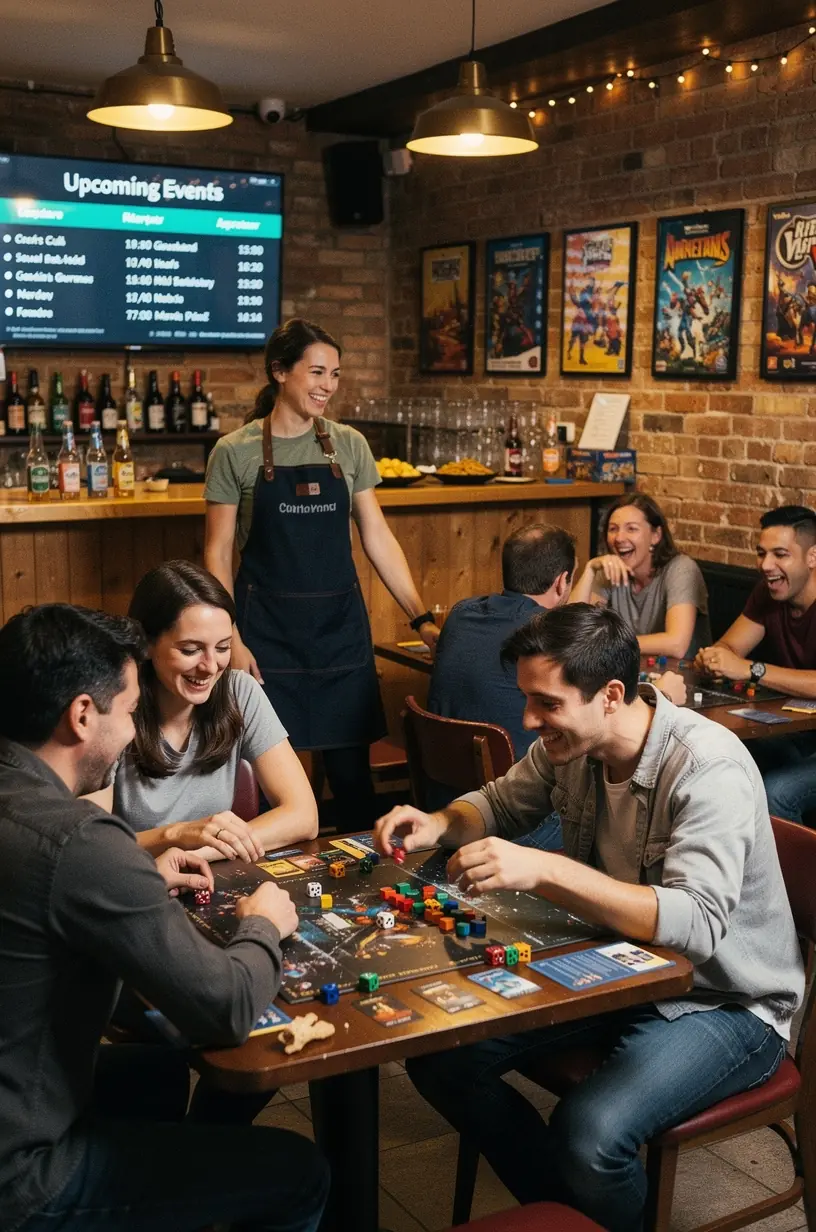
A Guide to Organizing Interactive Local Events
Organizing local events can be a rewarding endeavor that not only brings communities together but also fosters friendships and shared interests. This guide provides a step-by-step approach to creating interactive local events that cater effectively to your audience while emphasizing educational value and practical insights.
Understanding the Basics of Event Organization
When organizing an event, it is essential to consider the interests of your target audience. Typically, successful events are those that align with the hobbies and entertainment preferences of participants. According to research, events that incorporate interactive elements tend to engage attendees more effectively, leading to higher satisfaction rates.
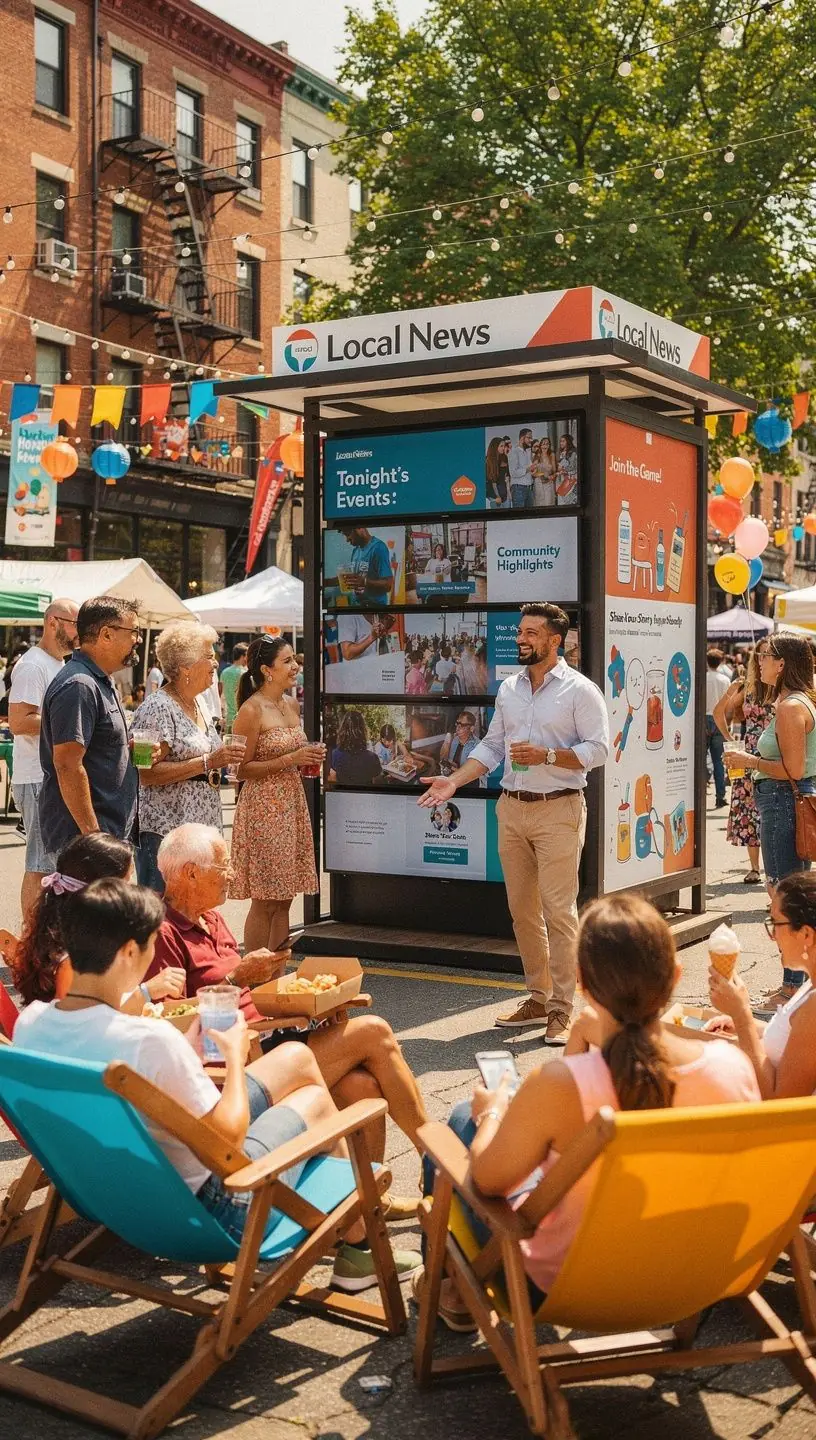
"Interactive experiences often lead to increased participant engagement and can enhance the overall enjoyment of events." — Event Planning Experts
Key Steps to Organizing Your Event
- Identify Your Audience: Understanding who you are organizing for can help tailor the event's theme and activities. Conducting simple surveys or community polls can provide valuable insights.
- Choose the Right Venue: Selecting an appropriate location is crucial. Consider accessibility and the capacity required for your expected turnout. Research suggests that venues that are centrally located typically attract a larger audience.
- Plan Engaging Activities: Offering activities that encourage participation is essential. Studies indicate that events with interactive elements, such as workshops or group challenges, can promote networking and community bonding.
- Promote Your Event: Utilize social media platforms and local community boards to spread the word. Experts recommend starting promotion at least 2-4 weeks in advance to maximize attendance.
- Gather Feedback: After the event, solicit feedback from participants to gauge their satisfaction and gather insights for future events. This process is valuable for continuous improvement.
Acknowledging Limitations
While organizing local events can be enjoyable, it is important to recognize potential challenges. Coordinating logistics typically requires considerable time and effort, and each event may vary in complexity based on the number of attendees and activities involved. Furthermore, not all venues may be suitable for every type of event, so careful consideration is necessary.
Conclusion
Organizing interactive local events can be a fulfilling way to connect with your community. By following these guidelines, you can create meaningful experiences that cater to the interests of your audience while fostering engagement. Remember to prioritize planning and be open to feedback to enhance future events. With dedication and thoughtful execution, your events can contribute significantly to your local culture.