Understanding the Role of Community Events in Local Engagement
Community events play a crucial role in fostering engagement among residents and enhancing local culture. This article explores the various ways these events contribute to community cohesion and provides actionable insights for both organizers and participants.
The Importance of Community Events
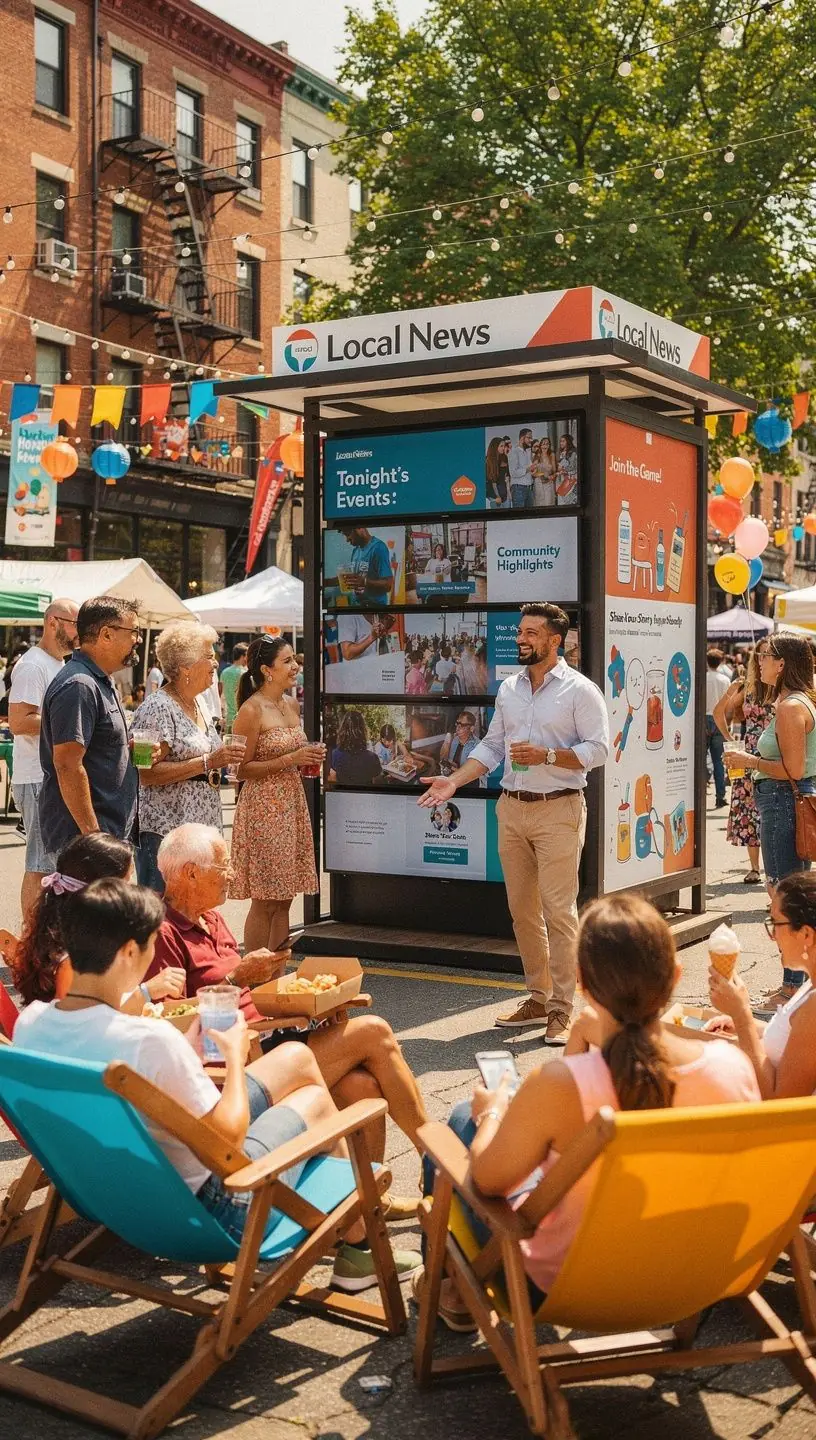
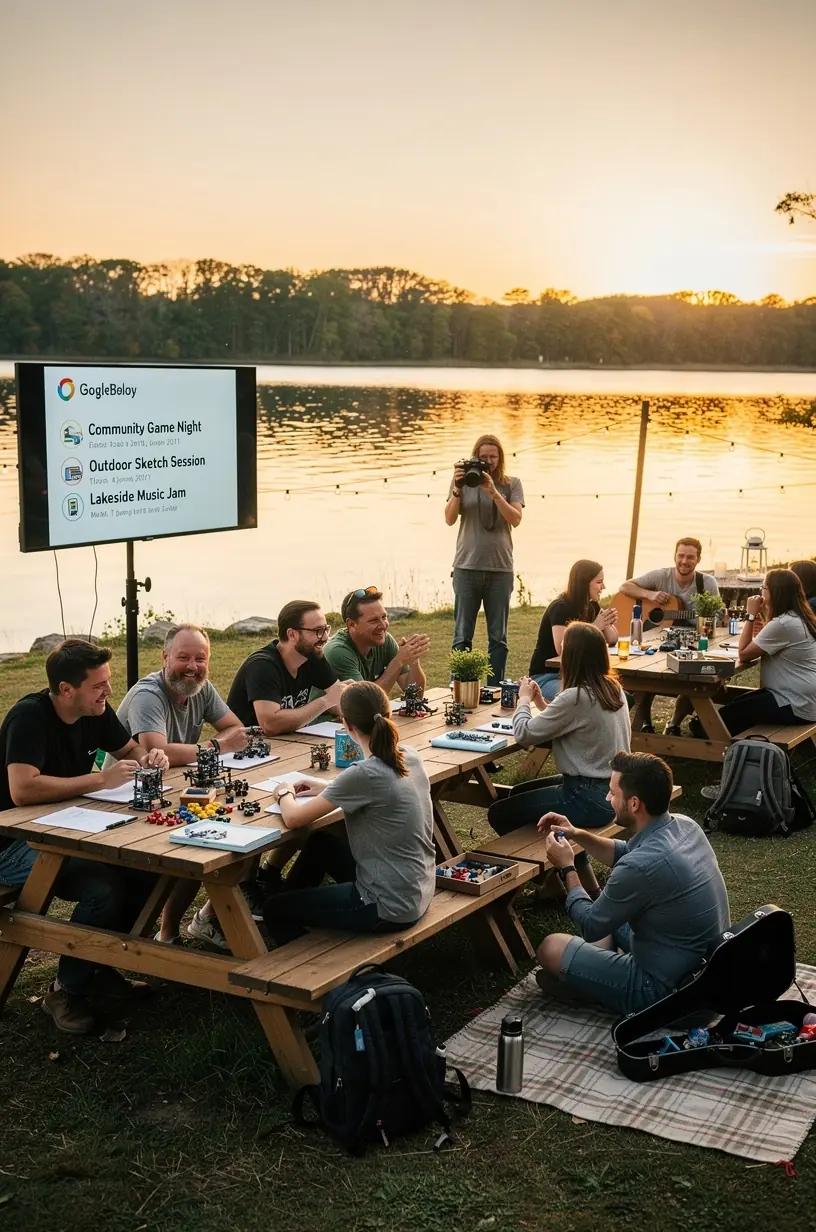
Community events are typically designed to bring people together, providing a platform for interaction and collaboration. According to research, these gatherings can significantly contribute to local engagement by creating a sense of belonging among participants. Studies show that communities with active event calendars often demonstrate improved social ties and increased civic participation.
"Community events foster social connections, which are essential for a thriving local culture." - Community Development Expert
How Community Events Foster Local Engagement
Understanding how community events influence local engagement requires examining their multiple roles:
- Networking Opportunities: Events provide a space for individuals to meet others with similar interests, facilitating relationships that may extend beyond the event itself.
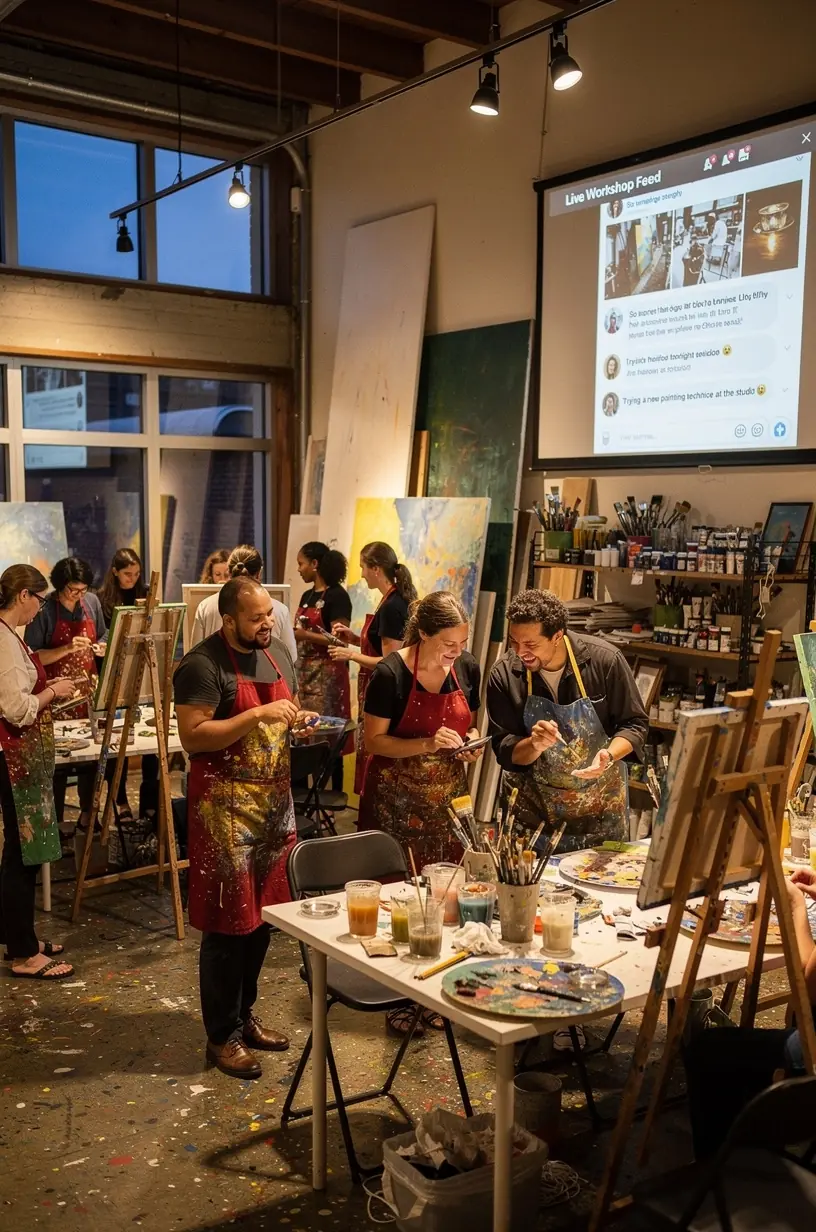
- Skill Development: Many community events offer workshops or classes that allow participants to learn new skills, often enhancing personal development and community resources.
- Local Business Support: These events can help promote local businesses, as they often serve as venues for vendors, which can lead to increased foot traffic and sales.
Challenges and Limitations
While community events typically offer numerous benefits, they also come with certain challenges:
- Time Commitment: Organizing and participating in community events requires time, often requiring months of planning and preparation.
- Resource Allocation: Successful events usually involve significant resources, including funding, volunteers, and marketing efforts.
- Engagement Variability: Not all community members may feel inclined to participate, which can limit the overall impact of the event.
Best Practices for Organizing Community Events
To maximize the impact of community events, organizers should consider the following best practices:
- Involve the Community: Gathering input from local residents during the planning phase can help ensure the event meets the needs and interests of the community.
- Promote Inclusivity: Events should be designed to engage diverse groups, offering activities that cater to different age ranges and cultural backgrounds.
- Leverage Social Media: Using social media platforms can effectively boost event visibility and encourage participation.
Conclusion
Community events serve as vital instruments for enhancing local engagement and building social connections. While they come with their own set of challenges, the potential benefits—such as improved social ties, increased civic participation, and support for local businesses—are significant. By understanding the importance of these events and employing best practices in their organization, communities can foster a richer, more connected local culture.