Understanding Event Media's Influence on Audience Engagement
In an age where digital interactions often overshadow face-to-face connections, understanding the role of event media in enhancing audience engagement is crucial. This article delves into the principles that underpin this influence, offering insights supported by data and expert opinions.
Understanding the Basics
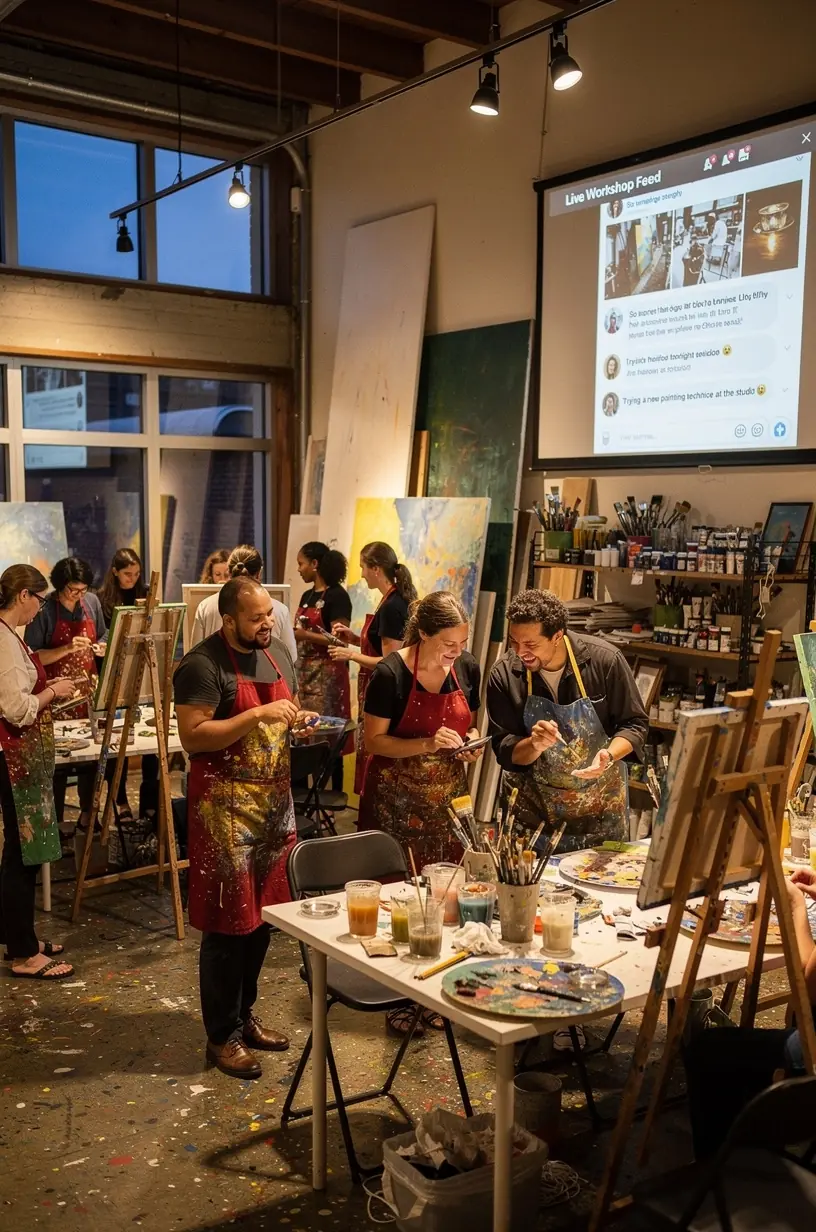
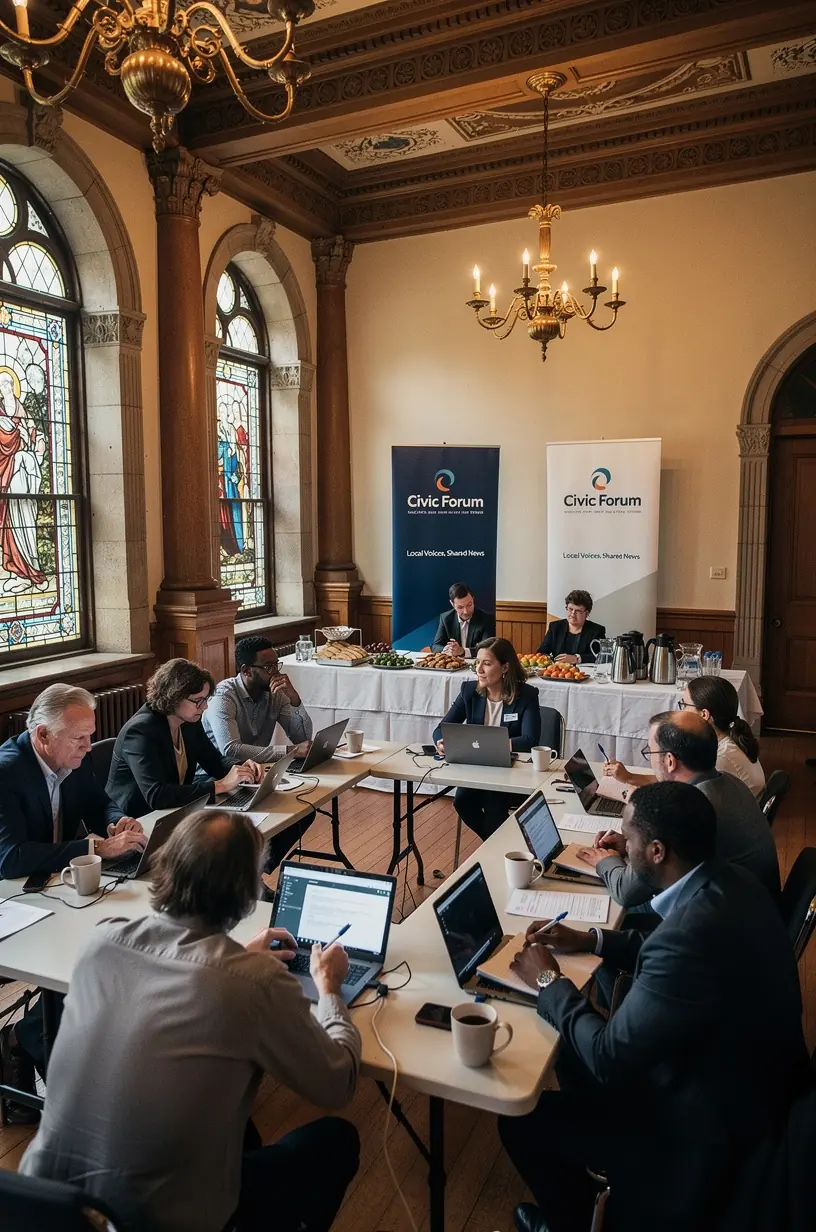
Event media serves as a bridge between online content and offline interactions. According to research conducted by the Event Marketing Institute, events that incorporate interactive media can increase attendee engagement by up to 25%. This increase is often attributed to the enhanced sensory experiences that engage participants more fully.

"Interactive elements not only draw attention but also encourage participation, leading to deeper connections among attendees." — Event Marketing Authority
Why is This Important?
Many users report that interactive event media creates a stimulating environment that fosters community building. The principle here is simple: when individuals feel more engaged, they are more likely to participate actively in discussions, activities, and networking opportunities.
Practical Application
- Utilize Social Media: Incorporating platforms like Twitter or Instagram during events can enhance real-time interactions. Studies show that events promoting hashtag participation can increase engagement significantly, with many users posting about their experiences.
- Incorporate Gamification: Techniques such as contests or challenges within events can motivate attendees to engage with content and each other. This approach often requires additional preparation but can lead to meaningful interactions.
- Feedback Mechanisms: Implementing polls or surveys during events allows organizers to gauge audience interest and adjust content dynamically. This practice shows responsiveness to audience needs, promoting a more engaged environment.
Challenges and Considerations
While integrating event media can enhance engagement, it typically requires careful planning and dedicated resources. Organizers must consider:
- The potential learning curve for both attendees and staff, necessitating training for effective implementation.
- The time commitment involved in planning and executing interactive elements, which can range from weeks to months depending on the scale of the event.
- The need for adequate technology infrastructure, as not all venues are equipped to handle advanced interactive media.
Conclusion
Event media represents a valuable tool in enhancing audience engagement, particularly in fostering connections and interactions among participants. Understanding the principles behind effective media use can significantly improve the overall experience at events. By implementing practical strategies, organizers can create more engaging environments that resonate with attendees. Remember, while results from these strategies may vary, the potential for enhanced audience engagement is substantial.